
Point Blank Was Decades Ahead of Its Time
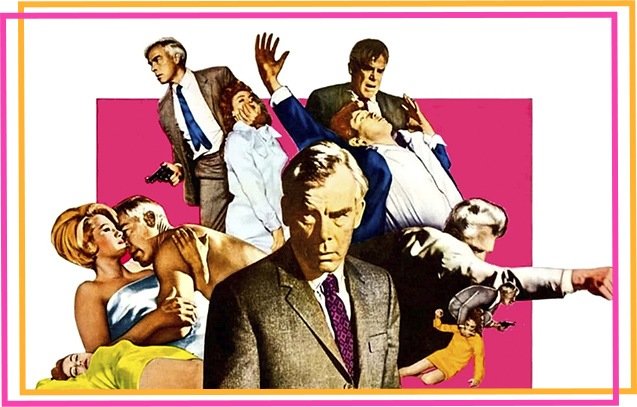
Prefer to watch instead of read? Watch Now
I love finding an older movie that does not feel old, and Point Blank is one of the best examples I can think of. This 1967 crime thriller stars Lee Marvin as Walker, a career criminal who gets double crossed after a job and left for dead at Alcatraz.
He survives, comes back and starts working his way through the people responsible. But this is not really a typical revenge movie. Walker does not want an apology, he is not screaming about betrayal, and he is not giving dramatic speeches about what was taken from him. He wants the $93,000 they owe him.
That is it.
A Very Simple Plot Inside a Very Strange Movie
The basic setup could not be much simpler. Walker was betrayed, somebody took his money and he wants it back. The movie around that idea is anything but simple.
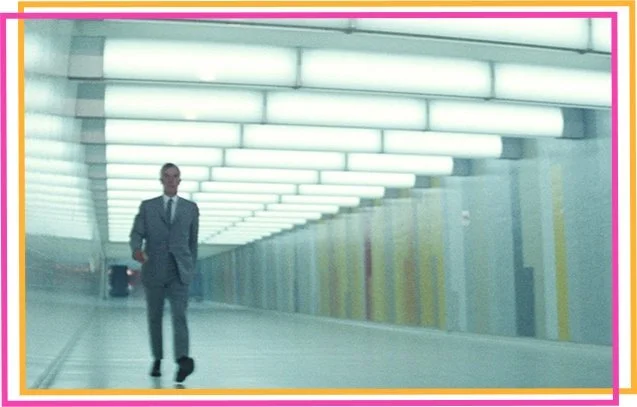
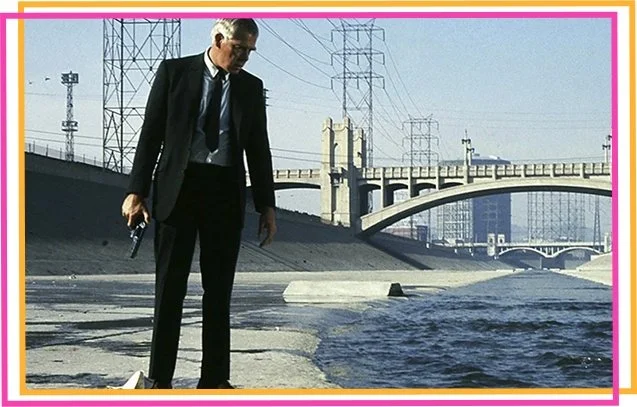
Director John Boorman takes what could have been a straightforward crime story and turns it into something fractured, stylish and occasionally dreamlike. The editing is nonlinear, time slips around and Los Angeles starts to feel less like a real city and more like some kind of concrete purgatory.
Walker just keeps moving through it, advancing from one person in the organization to the next. Every new contact explains that the operation is bigger than he understands, that there are rules, structures and layers of authority he cannot possibly comprehend. Walker’s attitude is basically adorable. Pay me.
That contrast is a huge part of what makes the movie work.
The Criminal Underworld Feels Surprisingly Modern
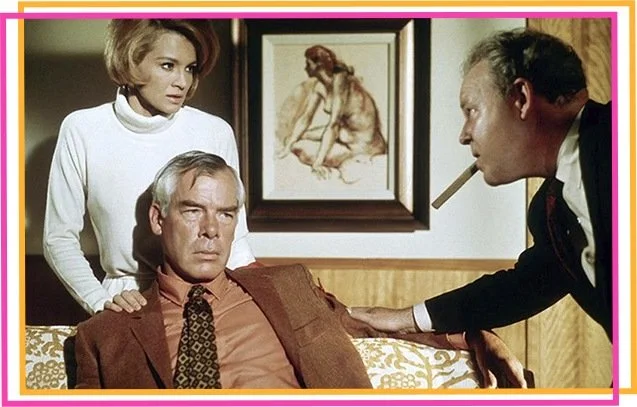
One of the most interesting things about Point Blank is the organization Walker is fighting against. It does not really feel like a traditional gangster operation. It feels corporate, with bosses, middlemen, offices, chains of command and people who seem convinced bureaucracy will protect them from consequences.
That idea feels especially familiar if you have seen John Wick. Chad Stahelski has talked about Point Blank as an influence on the first John Wick, and once you watch it, the connection is pretty easy to see. Both movies start with a personal grievance that gradually opens a door into a much larger criminal ecosystem.
John Wick obviously pushes that idea much further with the Continental, gold coins, assassins and the High Table. Point Blank is more grounded, but Walker is essentially doing the same thing. He keeps moving higher up the chain while everyone tries to convince him the system is too large to challenge.
He still just wants his money.
Lee Marvin Barely Has to Do Anything
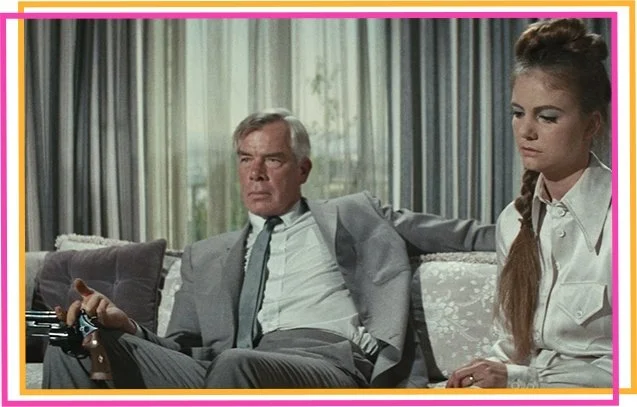
Lee Marvin is incredible in this movie because he does so much by doing almost nothing. There are no giant speeches, he never needs to remind you how dangerous he is, and the movie does not spend much time explaining how damaged or tortured Walker might be.
Marvin just walks into a room and dominates it. There is a famous sequence built almost entirely around the sound of Walker walking through a hallway, and it perfectly captures the character. He has this cold, controlled momentum that makes him feel less like a guy working through a revenge plan and more like something inevitable moving toward you.
That is also where the comparison to Drive starts to make a lot of sense.
If You Love Drive, You Need to See This
Nicolas Winding Refn has cited Point Blank as an influence on Drive, and the connection goes well beyond having a quiet, dangerous guy moving through Los Angeles. Both movies use silence incredibly well, both have this cool, controlled menace, and both turn Los Angeles into something lonely and emotionally cold.
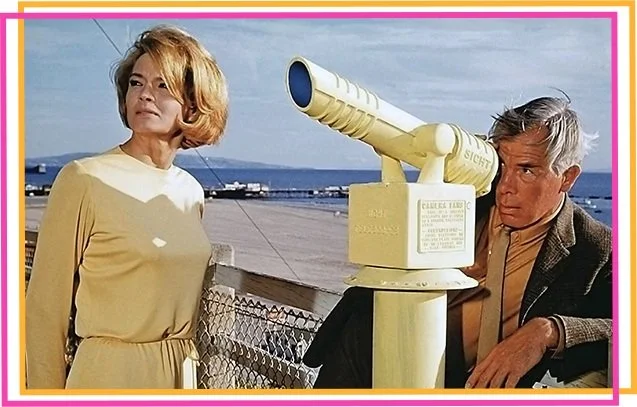
The style is also a huge part of the experience. Point Blank uses harsh architecture, empty spaces and really bold color choices. Walker spends much of the movie surrounded by gray concrete and dressed in muted colors, while other characters and locations suddenly explode with bright yellows, reds or greens.
It looks very 1967 in certain ways, but the cinematography and editing feel much more adventurous than a lot of movies from that era. At times, it is hard to tell whether Walker is moving through Los Angeles, remembering Los Angeles or dreaming about it. That is part of what keeps the movie feeling alive.
The Same Story Became Payback
If the setup sounds familiar, there is a good reason. Point Blank is based on Donald E. Westlake’s novel The Hunter, written under the name Richard Stark. The same book later became Payback with Mel Gibson.
In Payback, Gibson is essentially playing another version of the same character. He is betrayed, left for dead and comes back because somebody took money that belongs to him. I like Payback a lot, but the two movies could barely feel more different.
Payback has that dark, nasty late 1990s crime-movie energy. Point Blank feels stranger and more experimental. Somehow the movie made in 1967 is the one that feels less trapped in its decade.
There is also Parker with Jason Statham, based on another novel featuring the same character. That one plays much more like a conventional modern action movie. They are all worth watching for different reasons, but Point Blank is the one that feels truly unique.
Why Point Blank Still Works
A lot of older movies are great partly because they capture the time in which they were made. Point Blank is different. It has the clothes, cars, architecture and colors of the late 1960s, but it does not feel preserved in amber.
The fractured editing, strange atmosphere and stripped-down protagonist still feel surprisingly modern. If you love Drive, John Wick, Thief, Payback or stylish crime movies in general, I think Point Blank is a must-watch.
It is cold, weird, violent and incredibly cool. More than half a century later, it still feels alive.
Prefer to Watch Instead?
If you would rather watch than read, I break down Point Blank in the video below with clips from the movie and a closer look at the style, Lee Marvin’s performance and the influence it had on movies like Drive and John Wick.
Watch my video review on Point Blank
